May is Skin Cancer Awareness Month: Dermatologist Shares Prevention and Detection Tips
Far Rockaway, New York, May 4, 2026 — According to the American Academy of Dermatology (AAD), skin cancer is the most frequently diagnosed cancer in the U.S., with 1 in 5 Americans developing skin cancer by age 70. Despite its prevalence, experts emphasize that it is also one of the most preventable cancers when consistent sun protection habits are practiced.
Melanoma, the most dangerous form of skin cancer, accounts for only about 1% of all skin cancer cases but is responsible for most skin cancer-related deaths when not detected early. When identified and treated in its earliest stages, melanoma has a five-year survival rate of approximately 99%, highlighting the importance of early detection and routine skin checks.
Non-melanoma skin cancers—including basal cell carcinoma (BCC) and squamous cell carcinoma (SCC)—are significantly more common. Basal cell carcinoma is the most frequently diagnosed form of skin cancer and typically grows slowly, but can cause significant local tissue damage, including disfigurement, if left untreated. Squamous cell carcinoma may grow more aggressively and, in some cases, can spread if not treated promptly. Together, BCC and SCC account for most skin cancer diagnoses in the United States.
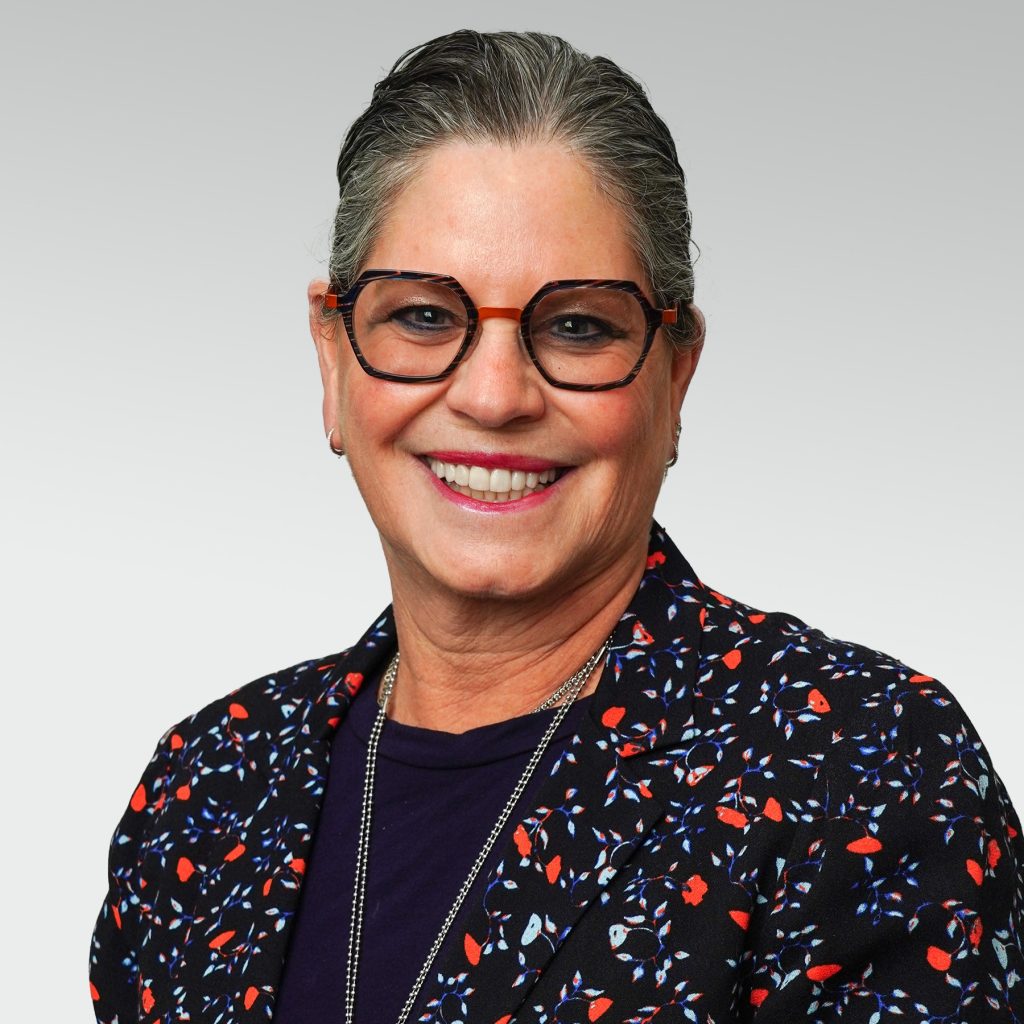
According to Suzanne Sirota Rozenberg, DO, Chief of Dermatology at Episcopal Health Services, the primary causes of skin cancer—including melanoma, BCC, and SCC—are exposure to ultraviolet (UV) radiation from the sun and the use of indoor tanning beds.
“People who are exposed to high levels of UV rays are at a greater risk for skin cancer,” said Dr. Rozenberg. “UV damage is cumulative over time, which means even everyday exposure adds up. That’s why prevention needs to start early and continue throughout life.”
She added, “Skin cancer is one of the most preventable cancers, and when caught early, it is often highly treatable. Regular skin exams and attention to changes in your skin are essential—they can help detect issues at their earliest and most manageable stage.”
Facts About Skin Cancer
- Skin cancer can affect people of all skin tones and ethnicities, though risk is higher in individuals with fair skin, light hair, and light eyes
- Having five or more sunburns doubles the risk of developing melanoma
- Indoor tanning is classified by the World Health Organization as carcinogenic to humans and significantly increases skin cancer risk
- Skin cancer in Black, Asian, and Hispanic populations is often diagnosed at later stages, leading to worse outcomes
- When detected early, melanoma is highly treatable, with a survival rate of approximately 99%
Tips for Skin Cancer Prevention
- Wear sunscreen daily: Use a broad-spectrum SPF 30 or higher, even on cloudy days. Reapply every two hours, and after swimming or sweating
- Perform regular skin self-exams: Monitor your skin for new or changing spots, including sores that do not heal or lesions that bleed or crust. Consult a dermatologist if anything appears suspicious
- Wear protective clothing: Use long-sleeved shirts, pants, and wide-brimmed hats when outdoors. Choose wrap-around sunglasses that block both UVA and UVB rays
- Seek shade and limit sun exposure: Especially between 10 a.m. and 4 p.m., when UV radiation is strongest
- Avoid indoor tanning beds: Even occasional use increases long-term skin cancer risk
- Use the ABCDEs of melanoma detection:
- Asymmetry
- Border irregularity
- Color variation
- Diameter greater than 6mm
- Evolving in size, shape, or color
About Episcopal Health Services
Episcopal Health Services Inc., (EHS) is a health system located on the Rockaway Peninsula in Queens, New York. The system provides emergency and ambulatory care to the densely populated, culturally and economically diverse, and medically underserved Rockaways and Five Towns populations. The system provides people of all faiths with comprehensive preventive, diagnostic treatment, and rehabilitative services, regardless of their ability to pay.