Understanding Prediabetes & Diabetes Prevention
February 25, 2026
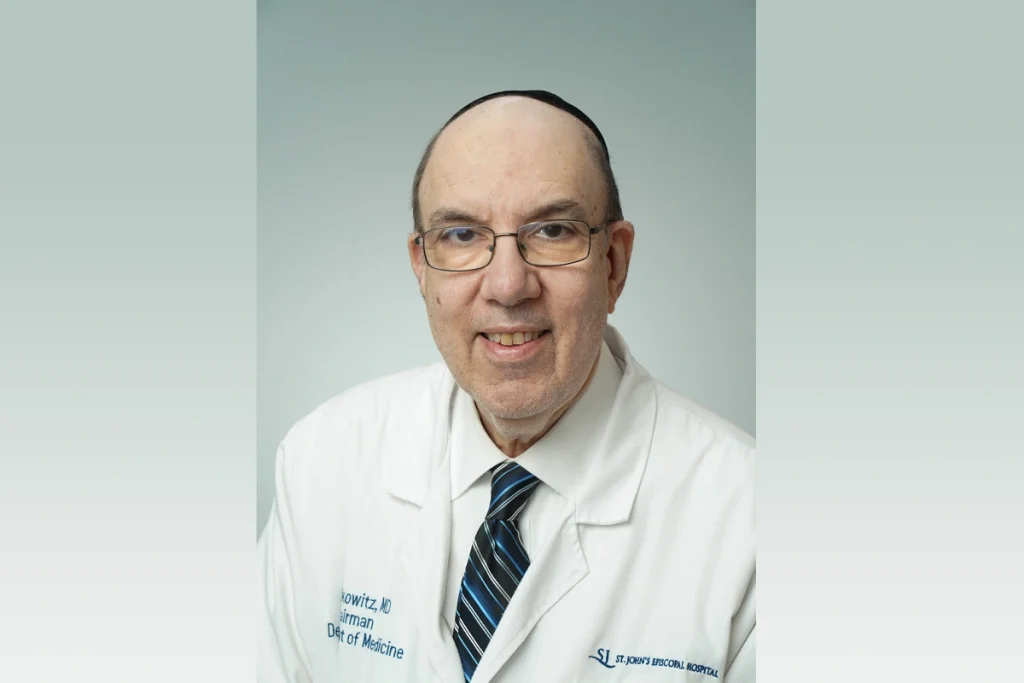
A diagnosis of prediabetes often take patients by surprise. This common condition affects millions of people and often develops without noticeable symptoms, yet it can significantly increase the risk of type 2 diabetes if left unaddressed. Sheldon Markowitz, MD, Internal Medicine Physician and Chief of Endocrinology at Episcopal Health Services (EHS), explains what happens inside the body during prediabetes and the steps patients can take to lower their risk.
What is prediabetes?
Prediabetes occurs when blood sugar levels are higher than normal but not yet high enough to be diagnosed as type 2 diabetes. The condition is extremely common, affecting approximately 97 million adults in the United States, including about half of people over age 65.
Prediabetes develops when the body becomes resistant to insulin, the hormone that helps regulate blood sugar. Over time, untreated insulin resistance can lead to type 2 diabetes.
How is prediabetes diagnosed?
Prediabetes usually has few or no symptoms and is most often discovered through routine blood work. Two common tests include:
- Hemoglobin A1C, which measures average blood sugar over three months
- Fasting blood glucose, which measures blood sugar after not eating
Annual screening is essential, especially for people at higher risk.
Why does prediabetes matter?
Without intervention, prediabetes can progress to type 2 diabetes and increase the risk of serious health complications, including heart disease, kidney disease, vision loss, nerve damage and circulation issues. Early detection gives patients the opportunity to take preventive action.
Who is at high risk for diabetes?
Several factors increase the likelihood of developing diabetes, including:
- Age
- Family history of diabetes (parent or sibling especially)
- Being overweight or obese
- High blood pressure
- Physical inactivity
- Certain medical conditions, such as obstructive sleep apnea or polycystic ovary syndrome (PCOS)
- History of gestational diabetes
- Genetic predisposition
- Higher risk among certain populations, including African American, Hispanic, Native American, and Asian American communities
What can I do to help prevent diabetes?
Lifestyle changes are highly effective in preventing or delaying diabetes. Key strategies include:
- Reducing sweets and refined carbohydrates
- Avoiding sugary drinks and processed foods
- Eating more vegetables, lean proteins, and healthy fats
- Increasing physical activity
- Losing even modest amounts of weight, which can significantly improve insulin sensitivity
What medications and support are available for those with prediabetes?
For some patients who have already made lifestyle changes, certain medications may help reduce the risk of progression from prediabetes to diabetes. Medical literature supports the use of Metformin, Acarbose (a medication that reduces carbohydrate absorption) and certain GLP-1 medications that support weight loss and improved blood sugar control. These options are evaluated on an individual basis by a healthcare provider.
How does EHS supports patients with prediabetes and diabetes?
Prediabetes is most often identified and managed through primary care. At EHS, patients are screened through routine annual lab work in internal and family medicine practices, particularly those in higher-risk categories.
When prediabetes is detected, primary care providers begin immediate conversations about lifestyle changes and preventive strategies. EHS also employs a population health approach, offering:
- Health education to improve nutrition and health literacy
- Guidance to help patients make healthier choices while grocery shopping
- Screenings through the EHS Mobile Health Unit, which visits various community spaces and administers tests to check blood pressure, cholesterol, and blood sugar
This approach helps identify individuals who may not yet know they are at risk and connects them with the essential care for early detection and treatment.
Can I prevent prediabetes from becoming diabetes?
Prediabetes does not mean diabetes is inevitable. With early detection, education and support, many people can prevent or delay the development of type 2 diabetes and protect their long-term health.
As Dr. Markowitz emphasizes, recognizing prediabetes as an early warning and making lifestyle changes, is one of the most effective ways to reduce future health complications from diabetes and improve your long-term well-being.
If you have questions about screening or prevention, contact the Primary Care Department at EHS by calling 718-EHS-DOCS (347-3627) or visit ehs.org/find-a-doctor to find an EHS Primary Care Physician or Endocrinologist.