What to Know About High-Risk Pregnancy
March 2, 2026
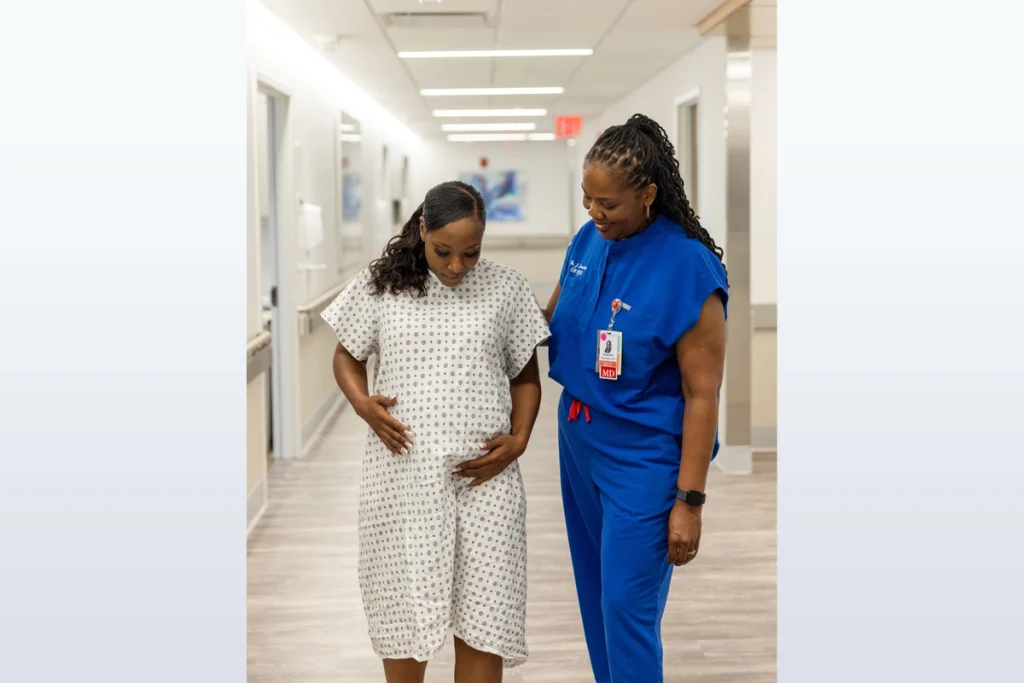
Pregnancy brings substantial physical and emotional changes. Many are expected or normal—such as morning sickness, fatigue, and increased urination. Others may be signs of health conditions that require close monitoring.
A high-risk pregnancy is one in which there a strong likelihood that you, your baby, or both of you will develop a serious health complication. Several signs may serve as indicators of a serious condition. However, differentiating between those and normal pregnancy symptoms can be challenging, explains Jacqueline Marecheau, MD, FACOG, Chair of the Department of OB/GYN at Episcopal Health Services on the Rockaway Peninsula. In some cases, she adds, high-risk conditions have no noticeable symptoms at all.
“Every pregnancy carries some potential for complications,” Dr. Marecheau notes. “This makes it essential to attend all recommended prenatal appointments and, in some cases increase their frequency, to protect your health and your baby’s health before, during, and after delivery.”
Whether you are planning for a baby, pregnant for the first time, or have given birth before, the following information can help you understand the factors associated with a high-risk pregnancy and recognize when to seek medical advice.
High-Risk Pregnancies Are Uncommon but Serious
Approximately 4.5% of deliveries involve one or more high-risk factors. While the overall rate is relatively low, the impact of complications can be significant. Nationwide, there are an estimated 22 maternal deaths per 100,000 live births, with disproportionately higher rates among Black women.
Factors That Increase the Likelihood of Complications
A pregnancy may be considered high risk from the outset or may become high risk as it progresses. Common contributing factors include:
- Maternal age
- Existing medical conditions, such as high blood pressure, diabetes, kidney disease, heart disease, autoimmune disorders, or mental health conditions
- Conditions that develop during pregnancy, including gestational diabetes or hypertension
- Lifestyle factors, such as substance use (tobacco, alcohol, drugs)
- Carrying multiple babies
- Previous pregnancy-related complications, such as preeclampsia, preterm birth, or prior cesarian delivery
- Environmental factors, such as exposure to toxins and inadequate nutrition
Symptoms That Require Immediate Medical Attention
Several symptoms that might seem normal may instead be indications of a more serious health condition. They include:
- Rapid heartbeat
- Persistent chest or abdominal pain
- Unusual or overwhelming fatigue
- Dizziness or fainting
- Vaginal bleeding or unusually heavy discharge
- Severe or prolonged nausea and vomiting
- Persistent, intense headache that does not lessen with rest or over-the-counter medication
- Difficulty breathing
- Thoughts of self-harm or worsening mental health symptoms
- Slowing or absence of movement by your baby
If you experience any of these symptoms during pregnancy or following delivery, contact your health care provider immediately for diagnosis and treatment.
Common High-Risk Pregnancy Complications
Some of the more common complications associated with high-risk pregnancies include:
Preeclampsia
A condition characterized by high blood pressure and kidney or liver-related health issues. It typically occurs after the 20th week of pregnancy but can also occur postpartum, which is known as postpartum preeclampsia. Without treatment, preeclampsia can lead to serious complications, including seizures (known as eclampsia), brain damage and severe kidney damage, along with premature birth and low birth weight.
Gestational Diabetes
A temporary form of diabetes caused by hormonal changes during pregnancy, this condition usually occurs in the second or third trimester. Although it often resolves after delivery, gestational diabetes increases your baby’s risk for high birth weight, preterm birth, respiratory distress syndrome and developing diabetes later in life.
Anemia
This condition results from insufficient iron to produce adequate hemoglobin, the protein that carries oxygen throughout the body and to your baby. Anemia can cause fatigue, weakness, and dizziness. If untreated, it can result in complications such as irregular heartbeat (arrythmia), depression and stillbirth.
Postpartum Complications
You may experience complications after delivery, particularly within the first six to eight weeks. These may include mood or anxiety disorders, stroke, infection, and postpartum hemorrhage, which involves excessive bleeding (for example, needing to change pads twice an hour for more than one hour).
How to Reduce the Risk of Pregnancy-Related Complications
If your pregnancy is classified as high risk, or if you want to lower your risk for developing complications, consider the following steps:
- Schedule a pre-pregnancy consultation to assess your health and identify possible risk factors before conceiving.
- Maintain recommended prenatal appointments, including blood tests and ultrasounds to detect and diagnose possible health conditions.
- Adopt healthy lifestyle habits, including quitting or avoiding smoking, alcohol, and recreational drugs; maintaining appropriate nutrition; engaging in physical activity based on consultations with your health care provider; and taking prenatal vitamins or supplements as recommended.
- Manage chronic conditions, such as hypertension, diabetes or mental health disorders, based on recommendations from your health care provider.
Although pregnancy can pose challenges for adopting new habits or attending all medical appointments, Dr. Marecheau stresses that prioritizing your health, and the health of your baby, is crucial.
“The steps you take now will go a long way toward protecting your health and the health of your baby throughout pregnancy and beyond,” she says.
To schedule an appointment with an OB/GYN, call 718-EHS-DOCS (347-3627). To learn more about Labor & Delivery at EHS or schedule a tour of our Labor and Delivery Suite, visit ehs.org/labordelivery, call 718-869-5815, or email birth@ehs.org.