1 / 2
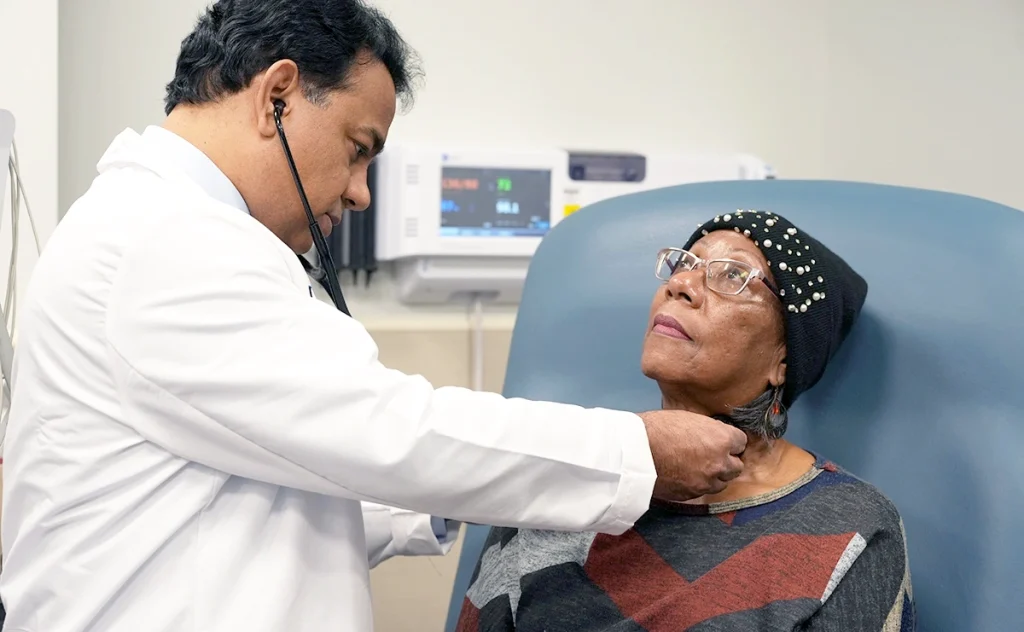
Advanced, Comprehensive Care for Your Heart
Click here to read the press release about our Cardiology program at EHS.
Prioritizing heart health can be challenging. The Episcopal Health Services’ Cardiology team is dedicated to supporting you with exceptional, compassionate care available around the clock on the Rockaway Peninsula.
EHS’ cardiologists have successfully helped many patients prevent and reduce their risk for heart disease, or recover from heart failure, through in-depth consultations, proven techniques and personalized plans based on their health conditions and goals. Through their combined experience and guidance, our specialists provide a strong defense against developing heart disease, as well as comprehensive care for the full spectrum of cardiology conditions if any heart disorders arise. Additionally, the cardiologists utilize advanced technology to monitor, diagnose and treat cardiology disorders.
Whether you are newly diagnosed with heart disease or are looking to reduce your risk, trust our team to deliver individualized care that supports your cardiovascular health.
A Commitment to Providing Comprehensive, High-Quality Care
We recognize that a heart disease diagnosis can be a difficult and emotional experience. Under the leadership of Dheeraj Khurana, MD, Chief of Cardiology, the EHS Cardiology team is dedicated to providing the highest standard of care.
Our team of experts continually evaluate and implement the latest cardiovascular research, technologies and treatments, broadening your care options and helping you meet your health and recovery goals. Working in close collaboration with EHS nurses, support staff, and you, our team develops personalized plans to reduce cardiovascular risk or address existing conditions—empowering you to live life to the fullest.
Better Heart Health Starts with EHS’ Primary Care Physicians
The EHS Primary Care team provides person-centered care, ensuring that each individual receives comprehensive, personalized treatment suited to their unique health needs. This customized approach includes a strong emphasis on cardiovascular disease prevention. The team monitors risk factors such as blood pressure, blood sugar levels and cholesterol and recommends evidence-based measures that help reduce heart disease risk. With a focus on prevention, early intervention, and long-term wellness, our skilled team supports you through every stage of your health journey with expertise, compassion and advanced medical care. When indicated, primary care physicians will refer you to a cardiologist for testing to assess your overall heart health and any future treatment needed.
Get With The Guidelines for Heart Failure
At EHS, our goal is to help patients who have experienced heart failure preserve their health and reduce the risk of rehospitalization. Get With The Guidelines is one way that we work toward that goal for the benefit of our patients.
Each month, a multidisciplinary team including cardiologists, dietitians, pharmacists, and imaging specialists reviews every heart failure case to ensure that patients are prescribed the most appropriate medications based on careful consideration of their disease severity, age, and other health conditions. The team also conducts follow-ups with each patient to support medication adherence and address any questions or concerns. By combining comprehensive heart disease expertise with ongoing consultation, the EHS cardiology team keeps patients on a sustained path to better heart health.
EHS Specialty Pharmacy
Our ACHC-accredited pharmacy team specializes in cardiology medications. We provide:
- Personalized medication management
- Close coordination with your cardiologist
- Direct patient counseling and follow-up support
Get in touch today
If you or a loved one has been diagnosed with heart disease, has experienced heart failure, or is experiencing other heart-related symptoms, contact us today to learn more about how we support you in your journey to better heart health.
For appointments, call: 718-EHS-DOCS (347-3627)