World Stroke Day: Every M1nute Counts – 7 Facts About Strokes
October 26, 2026
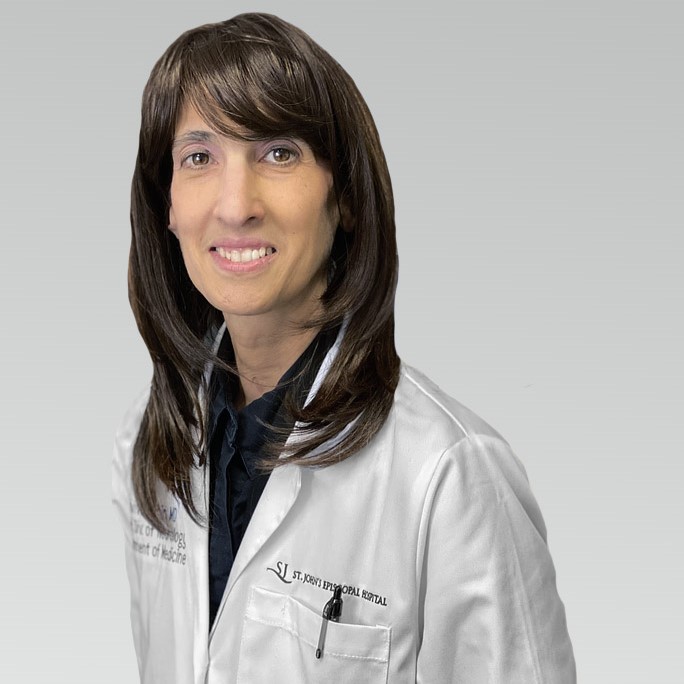
Every 40 seconds, someone in the United States has a stroke. Every minute it goes untreated, an estimated 1.9 million brain cells die. This World Stroke Day, the theme is clear: Every M1nute Counts. Dr. Aviva Lubin, Chief of Neurology at Episcopal Health Services, urges you to learn the signs, know your risks, and act without hesitation. Become a stroke spotter and know the seven most important facts about strokes.
What are the signs of a stroke?
The fastest way to recognize a stroke is to remember BE FAST:
- B — Balance: Sudden loss of balance or coordination
- E — Eyes: Sudden vision loss or double vision in one or both eyes
- F — Face: Uneven smile or drooping on one side
- A — Arms: One arm (or leg) drifts downward when raised
- S — Speech: Slurred speech, difficulty getting words out or trouble understanding others
- T — Time: Call 911 immediately — every second counts
Time lost is brain lost. Any one of these symptoms appearing suddenly is a reason to act. Do not wait to see if it passes. Seeking immediate emergency care saves lives and improves stroke recovery.
What should I do if I think someone is having a stroke?
Call 911 right away. Do not drive yourself or the person to the hospital. Emergency medical services alert the stroke team en route, so treatment can begin the moment the patient arrives. Note the exact time symptoms started; this information directly guides which life-saving treatments are available. There is a limited window for the most effective interventions, and every minute of delay narrows that window.
What are the two types of strokes?
There are two main types of stroke.
An ischemic stroke is the most common type, accounting for about 87% of all strokes. This occurs when a blood clot blocks an artery supplying blood to the brain. If the symptoms resolve quickly, it is called a Transient Ischemic Attack (TIA). This is a critical warning sign that a full stroke may follow soon and requires immediate medical attention.
A hemorrhagic stroke occurs when a blood vessel ruptures and bleeds into or around the brain.
Treatments between the types of stroke differ, which is another to call 911 rather than wait and self-diagnose.
How is a stroke treated?
The Stroke Service team at Episcopal Health Services (EHS) provides comprehensive, award-winning care around the clock. EHS holds The Joint Commission’s Gold Seal of Approval® as an Advanced Primary Stroke Center and the American Heart Association/American Stroke Association Get With the Guidelines® Stroke Gold-Plus Award — recognitions earned through a consistent commitment to evidence-based, high-quality stroke care.
Treatment options at EHS include:
- IV thrombolytic medication (clot-busting drugs such as Tenecteplase) to dissolve clots and restore blood flow in eligible ischemic stroke patients
- Advanced diagnostic imaging including CT scans, CT angiography, and MRI
- Inpatient Neurologist-guided assessment and treatment
- Outpatient Neurology assessments of pre- and post-stroke workup and treatments
What does stroke recovery look like?
Recovery begins in the hospital and continues well beyond discharge. EHS provides a seamless continuum of care through a multidisciplinary team of neurologists and rehabilitation specialists. Post-stroke treatment plans may include:
- Stroke/Neurology physicians
- Physical Medicine and Rehabilitation physicians
- Physical Therapy to rebuild strength and mobility
- Occupational Therapy to support return to daily activities
- Speech-Language and Swallowing Therapy for communication and swallowing difficulties
- Ongoing medication management
Early rehabilitation is one of the most important factors in improving long-term outcomes — and EHS coordinates all of it in one place.
What are the risk factors for stroke?
Stroke can happen to anyone, but certain factors raise the risk significantly.
Non-adjustable risk factors include:
- Older age
- Being female
- Being a member of the African American and Caribbean communities
- Family history
- Prior personal history of TIA/Stroke or heart attack
Adjustable risk factors include:
- Atrial fibrillation
- High blood pressure (Hypertension)
- Hyperlipidemia or high cholesterol
- Heart disease
- Diabetes
- Smoking or vaping
- Obstructive sleep apnea
The encouraging news is that most of these risk factors are manageable with lifestyle changes and medical care.
What can I do to prevent a stroke?
Up to 80% of strokes are preventable. The most impactful steps include:
- Controlling blood pressure (with a target below 130/80)
- Managing diabetes and cholesterol through diet, exercise, and medication when needed.
- Stopping smoking or vaping
- Maintaining a healthy weight
- Exercising at least 150 minutes per week
Take action!
Staying connected to a primary care provider for regular screenings is the foundation of all of it. Call 718-EHS-DOCS (718-347-3627) to schedule an appointment with a primary care provider or click here to find a primary care provider.
Want to learn more? Every M1nute Counts!
Don’t wait for a crisis to learn about stroke. Share this information with the people you love, know the signs, and manage your risk factors today.
Click here to learn more about stroke services at EHS or call 718-EHS-DOCS (718-347-3627) to schedule an appointment with a provider.