Seven Facts to Know About Skin Cancer Risk and Prevention
April 30, 2026
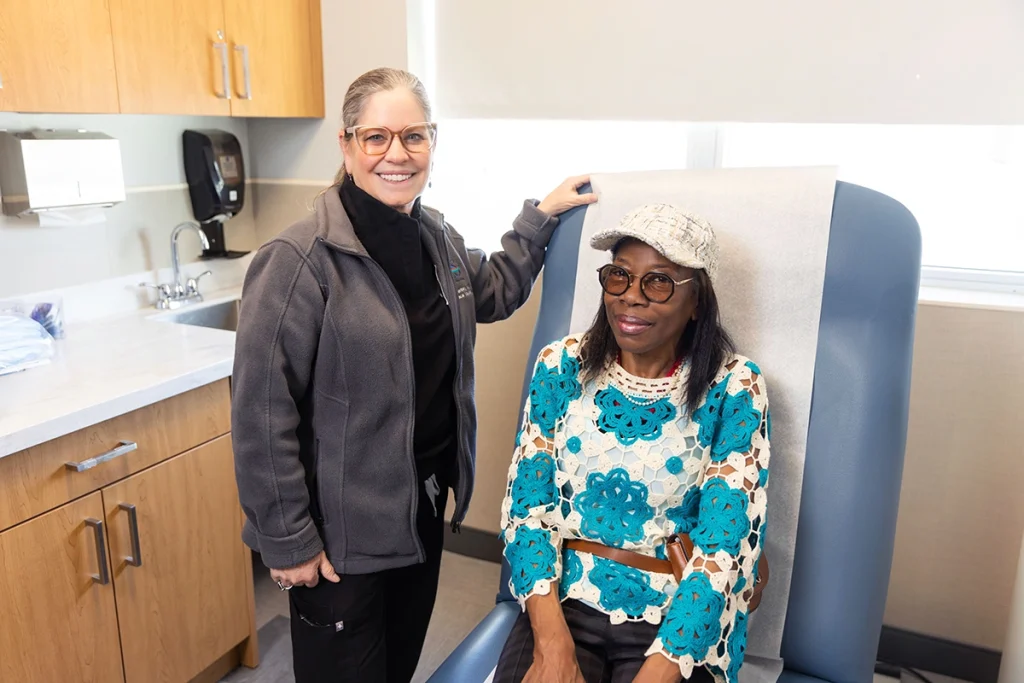
Approximately 9,500 people nationwide are diagnosed with skin cancer each day, making it the most common form of cancer in the United States. While skin cancer is highly treatable, early detection and prompt intervention are critical to achieving the best possible outcomes, according to Suzanne Sirota-Rozenberg, DO, Chief of Dermatology at Episcopal Health Services (EHS).
“I recommend that patients have a full skin examination by a dermatologist at least once a year,” says Dr. Sirota-Rozenberg. “If they notice any new or changing spots, they should schedule an appointment with a physician right away.”
As skin cancer rates continue to rise—particularly among adults ages 30 to 40—it is increasingly important to understand the warning signs, risk factors, and preventive measures that can help reduce the risk of developing the disease.
Skin cancer can take many forms
The three primary types of skin cancer are:
- Basal cell carcinoma: The most common form of skin cancer, caused by mutations in the cells responsible for regenerating skin.
- Squamous cell carcinoma: Develops in the cells that make up the surface of the skin.
- Melanoma: Arises in melanocytes, the cells that produce melanin, which gives skin its color and provides some protection from sun exposure. Melanoma is the most dangerous form of skin cancer, as it can spread to other parts of the body, including the lungs, nerves, and brain.
Basal and squamous cell carcinomas typically develop on sun-exposed areas of the body. Melanomas may appear anywhere, either as a new lesion or as a change in an existing mole.
The risk of developing skin cancer is significant
Studies suggest that approximately one in five Americans will develop skin cancer by the age of 70.
Sun exposure is a major risk factor
Excessive sun exposure—particularly repeated sunburns—significantly increases the risk of skin cancer. The Skin Cancer Foundation estimates that the risk of melanoma doubles for individuals who have experienced five or more sunburns. Additional risk factors include:
- Tanning beds: Increased use of tanning beds has been linked to rising melanoma rates, particularly among young women, who represent a large proportion of tanning bed users.
- Skin type: Individuals with fair or lighter skin are at greater risk because their skin burns more easily. However, people with darker skin are often diagnosed at later stages, when treatment can be more challenging.
- Family history: A family history of skin cancer increases an individual’s risk of developing the disease.
Skin cancer has recognizable warning signs
Common warning signs include:
- New growths that resemble a bump, mole or scab
- New or existing sores that do not heal
- Changes in the size, shape or color of existing moles
- Persistent itching in a mole or skin lesion
- Pain associated with a skin growth
Skin cancer can occur anywhere on the body
Basal cell and squamous cell carcinomas most often develop on frequently sun-exposed areas, such as the face, ears, hands, and forearms. Melanomas, however, can develop anywhere on the body.
Diagnosis typically involves a biopsy
Skin cancer is usually diagnosed through a biopsy, which involves removing a small sample of tissue from the affected area for laboratory testing. A local anesthetic is used to minimize pain and bleeding during the procedure.
Treatment depends on multiple factors
Treatment options depend on the type, location and severity of the cancer and may include:
- Curettage and electrodesiccation: Used for small, superficial basal and squamous cell cancers. The dermatologist numbs the area, scrapes away the cancerous tissue, and applies an electric current to destroy remaining cells. The procedure typically takes about 20 minutes, does not require stitches, and the affected area heals within one to six weeks. In some cases, multiple treatments may be necessary.
- Mohs surgery: Commonly used for melanomas and for basal or squamous cell cancers located on sensitive areas such as the face or hands. The surgeon removes thin layers of skin sequentially, preserving as much healthy tissue as possible. The procedure lasts two to five hours, and patients are generally discharged the same day. Mild pain or soreness is common and can typically be managed with over-the-counter medications. The wound requires daily bandaging for one week or longer.
- Topical treatments: In certain cases, dermatologists may prescribe topical medications to treat or reduce basal or squamous cell cancers prior to surgery. These may include 5-fluorouracil, a chemotherapy agent, and imiquimod, an immunotherapy medication.
Skin cancer risk can be reduced
While factors such as skin type and family history cannot be changed, individuals can take proactive steps to reduce their risk of skin cancer. Protective measures include wearing sun-safe clothing, applying mineral-based sunscreens that block harmful ultraviolet rays, and limiting direct sun exposure—especially during peak hours—to short intervals. Regular self-examinations, combined with annual dermatology visits, are essential for early detection and timely treatment.
If you notice any suspicious changes in your skin or believe you may be experiencing signs of skin cancer, contact Episcopal Health Services at 718-EHS-DOCS (347-3627) to schedule a diagnostic evaluation and receive expert care. Click here to learn more about our dermatology services at EHS.