TrueBeam Radiation Therapy for Cancer at EHS: What to Expect During Treatment and Possible Side Effects
August 1, 2026
A cancer diagnosis often raises many questions, especially when it comes to treatment. According to Dr. Mark Ashamalla, Chief of Radiation Oncology at Episcopal Health Services (EHS), one of the most common concerns patients have is: What will radiation therapy be like, and what side effects should I expect?
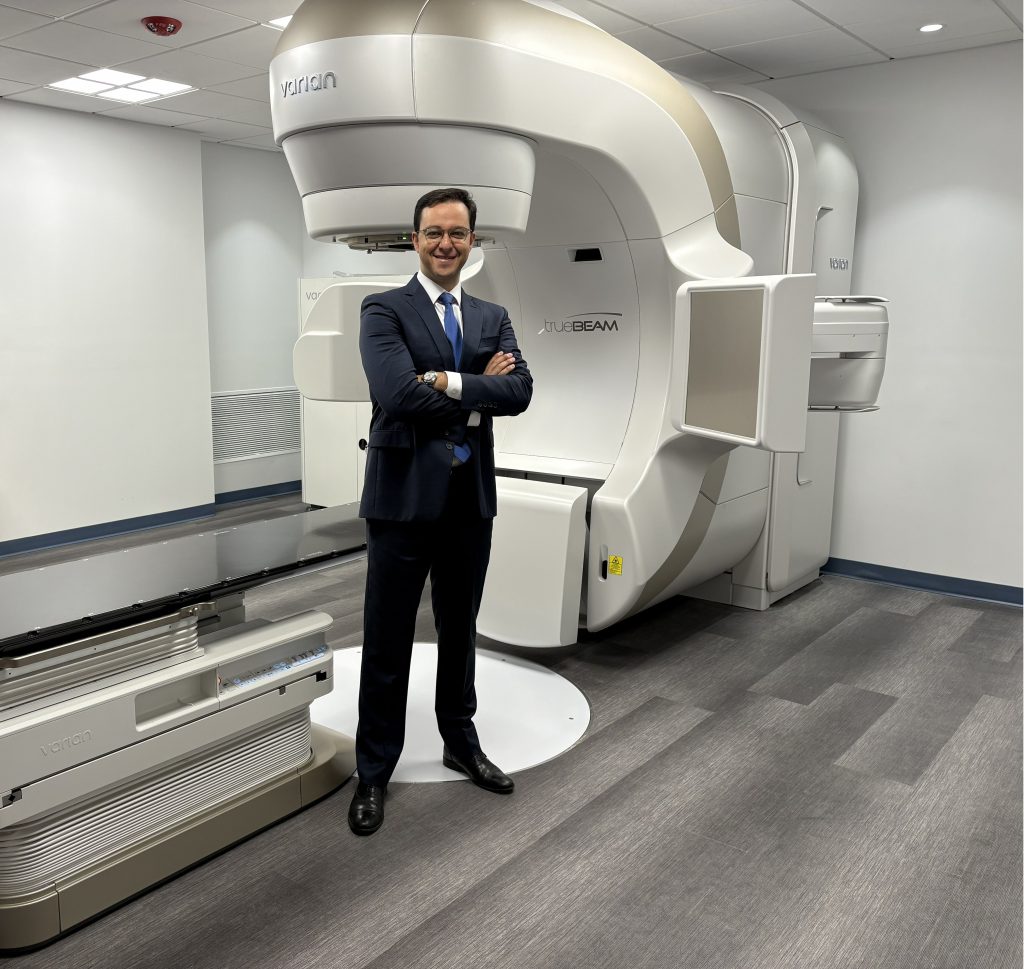
At EHS, patients have access to advanced cancer care using the TrueBeam Linear Accelerator, a highly precise radiation therapy system designed to target tumors effectively while helping to limit radiation exposure to nearby healthy tissue. Radiation therapy at EHS is delivered in a personalized, precise and supportive environment from consultation through treatment.
What Is TrueBeam Radiation Therapy?
The TrueBeam linear accelerator, or linac, at EHS is an advanced radiation therapy system that delivers carefully targeted radiation to cancer cells.This state-of-the-art technology enables physicians to treat tumors throughout the body by delivering radiation with a high degree of precision while helping to limit exposure to surrounding healthy tissue.
How Radiation Therapy Works to Treat Cancer
Radiation therapy works by damaging the DNA of cancer cells, which interferes with their ability to grow and divide. Over time, treated cancer cells may stop growing, shrink or die. The TrueBeam system uses advanced imaging and targeting technology to help ensure radiation is delivered accurately to the intended treatment area while protecting nearby healthy tissue as much as possible.
What to Expect Before Radiation Therapy
The radiation therapy process begins with a personalized consultation.
During this visit:
- A radiation oncologist reviews your diagnosis and medical history
- Treatment options are discussed, including potential alternatives
- The care team determines whether radiation therapy is appropriate for your condition
If radiation therapy is recommended, the next step is called simulation.
Simulation and Treatment Planning
Simulation is a specialized planning session, often involving a CT scan, that helps the care team:
- Precisely map the treatment area
- Identify nearby organs and healthy tissue
- Position you safely and comfortably for treatment
- Design a customized radiation treatment plan
This process helps ensure treatment is both effective and safe, carefully balancing cancer control with protection of surrounding healthy structures.
What to Expect During TrueBeam Radiation Therapy
At EHS, TrueBeam radiation therapy is designed to be efficient, comfortable and as minimally disruptive as possible to your daily routine. Treatment sessions are:
- Noninvasive
- Painless
- Completed during an outpatient visit
- Often brief, though the exact time varies depending on the treatment plan
During each session:
- You will lie on the treatment table in the same position used during simulation
- The machine may move around you to deliver radiation from carefully planned angles
- You will not feel the radiation itself, though you may hear the machine as it moves
The care team will monitor you closely throughout the treatment. The overall length of treatment varies based on your diagnosis and individualized care plan. Some patients may require only a few sessions, while others may receive treatment over several weeks. Treatments are commonly scheduled Monday through Friday, depending on the specific plan.
Many patients are able to come and go independently and continue many of their usual daily activities during treatment. Patients often describe the experience at EHS as straightforward and manageable, with minimal disruption to their daily lives
Common Side Effects of Radiation Therapy and How They Are Managed
Many patients search for “radiation therapy side effects,” and understanding what to expect can help you feel more prepared. Side effects vary depending on the area of the body being treated, the dose of radiation, the number of treatments and each patient’s individual health. One of the most common side effects is fatigue, which may feel like a greater need for rest than usual. For many patients, fatigue is mild to moderate and manageable. Because radiation therapy is targeted, side effects are usually localized to the treatment area. For example:
- Head and neck treatment may cause throat irritation, dry mouth or skin changes
- Breast treatment may cause skin sensitivity, redness, warmth or mild swelling
- Lung or chest treatment may cause fatigue, cough or temporary discomfort with swallowing
- Pelvic treatment may cause urinary, bowel or skin-related symptoms
At EHS, the precision of TrueBeam technology helps limit radiation exposure to nearby healthy tissue. The care team closely monitors patients throughout treatment and provides medications, supportive care and practical guidance to help manage symptoms.
Advanced Cancer Care at EHS
The TrueBeam linear accelerator at EHS brings advanced cancer care to the Rockaway Peninsula, the Five Towns and surrounding Nassau County communities. Patients can access precise radiation technology, coordinated oncology care and advanced imaging services close to home.
If you or a loved one is exploring cancer treatment options, radiation therapy at Episcopal Health Services may be part of your care plan. Learn more or connect with a specialist by clicking here.